.svg)
.svg)
.svg)
.svg)
.svg)
.svg)
.svg)
.svg)
.svg)
.svg)
.svg)
.svg)
What is a commodity?
← Back to FAQ
A commodity is a basic product used to make other products or to generate energy. Examples include oil, gold, silver, wheat and copper. Commodities form the foundation of many economic activities and are traded worldwide.
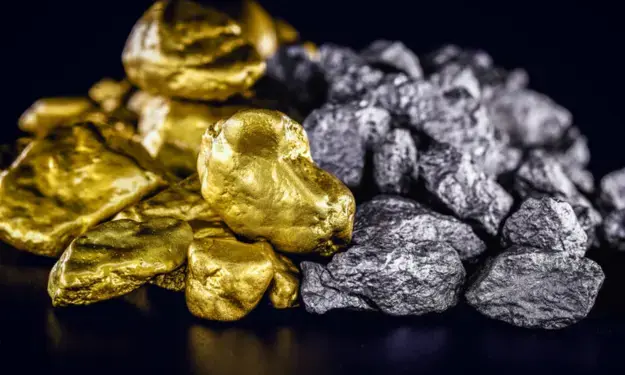
Commodities often play a special role during periods of economic or financial uncertainty.
The price of a commodity is determined by global supply and demand. When economies grow and companies produce more, demand for commodities such as oil and copper increases, which can drive prices higher. During economic downturns, demand may decline and prices can fall. Some commodities, such as gold, often become more popular in uncertain times.
Investors often view gold as a safe haven during financial problems, high inflation or geopolitical tensions. As a result, demand for certain commodities can rise in periods when stock markets are under pressure. Commodities can therefore both move in line with economic growth and serve as protection against uncertainty.
Short example:
Suppose the economy grows strongly. Factories produce more and more oil is needed for transport. The oil price rises from €70 to €90 per barrel due to higher demand.
One year later, financial unrest occurs and stock markets decline. Investors seek safety and buy gold. The gold price rises, for example from €1,800 to €2,000 per ounce because more people want to own gold. The price rises not because gold is used more, but because demand as a safe investment increases.
Disclaimer: Investing brings risks. Our analysts are not financial advisors. Always consult an advisor when making financial decisions. The information and tips provided on this website are based on our analysts' own insights and experiences. Therefore, they are for educational purposes only.