.svg)
.svg)
.svg)
.svg)
.svg)
.svg)
.svg)
.svg)
.svg)
.svg)
.svg)
.svg)
What is trading volume?
← Back to FAQ
Trading volume is the total number of shares, contracts, or units of a financial asset that are bought and sold during a specific period. It shows how actively an asset is being traded in the market. Volume is usually measured per day but can also be tracked intraday.
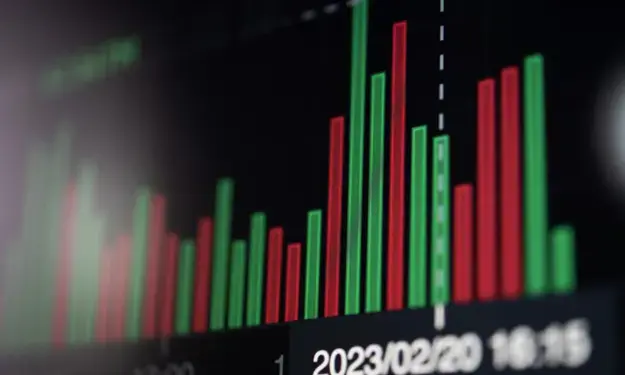
Trading volume indicates the level of market activity and liquidity.
High trading volume often means that many investors are participating and that it is easier to buy or sell without significantly affecting the price. Low volume can signal limited interest or lower liquidity, which may lead to larger price swings.
Traders frequently analyze volume together with price movements to confirm trends. For example, a price increase accompanied by rising volume may suggest strong buying interest, while a price move on low volume may be less reliable. Volume itself does not predict direction, but it helps interpret the strength behind price changes.
Short example:
Suppose a stock usually trades 1 million shares per day.
On a particular day, 5 million shares are traded after a major announcement.
The unusually high trading volume suggests that many investors are reacting to the news, which can increase volatility.
Disclaimer: Investing brings risks. Our analysts are not financial advisors. Always consult an advisor when making financial decisions. The information and tips provided on this website are based on our analysts' own insights and experiences. Therefore, they are for educational purposes only.