.svg)
.svg)
.svg)
.svg)
.svg)
.svg)
.svg)
.svg)
.svg)
.svg)
.svg)
.svg)
What is moral hazard?
← Back to FAQ
Moral hazard is a situation in which a person or institution takes greater risks because they do not bear the full consequences of those risks. It often occurs when individuals or companies are protected from losses, for example through insurance, guarantees, or government support.
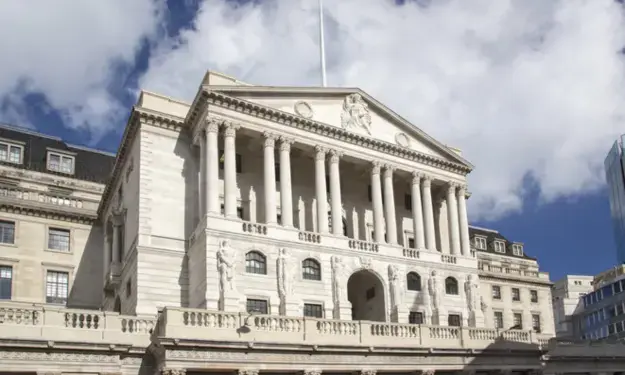
Moral hazard arises when incentives encourage risk taking without equal responsibility.
In financial markets, moral hazard can appear when banks or companies expect to be rescued if they face serious losses. If decision makers believe that someone else will absorb the negative outcome, they may act less cautiously. This can lead to excessive borrowing, speculative behavior, or poor risk management.
Over time, moral hazard can weaken financial discipline and increase systemic risk in the economy. Policymakers attempt to limit moral hazard by setting regulations, capital requirements, and accountability rules.
Short example:
Suppose a large bank believes that it is so important to the financial system that the government would not allow it to fail.
Because of this belief, the bank takes on high risk investments to increase short term profits.
If the strategy succeeds, the bank benefits from higher returns. If the investments fail, the bank expects government support to prevent collapse. This expectation reduces the incentive to manage risk carefully and creates a moral hazard problem.
Disclaimer: Investing brings risks. Our analysts are not financial advisors. Always consult an advisor when making financial decisions. The information and tips provided on this website are based on our analysts' own insights and experiences. Therefore, they are for educational purposes only.