.svg)
.svg)
.svg)
.svg)
.svg)
.svg)
.svg)
.svg)
.svg)
.svg)
.svg)
.svg)
What is gold?
← Back to FAQ
Gold is a precious metal that has been used for centuries as a store of value and a medium of exchange. In financial markets, gold is considered a commodity and is often seen as a safe haven asset during times of economic uncertainty. Investors buy gold to preserve purchasing power and reduce portfolio risk.
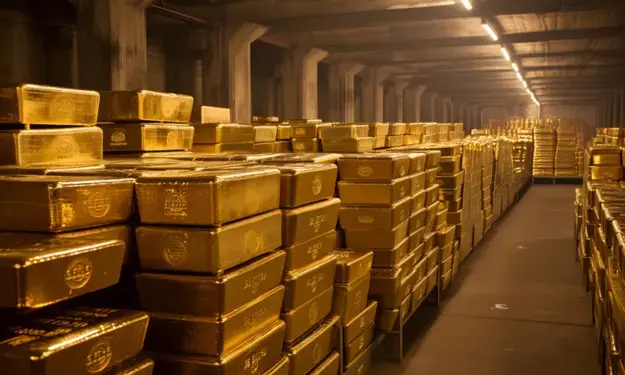
Gold is often viewed as protection against inflation and financial instability.
Unlike shares or bonds, gold does not generate income such as dividends or interest. Its value is primarily driven by supply and demand, investor sentiment, currency movements, and global economic conditions. When inflation rises or financial markets become volatile, demand for gold often increases because it is perceived as a stable asset. Central banks also hold gold as part of their reserves. However, gold prices can fluctuate significantly based on interest rate changes, strength of the US dollar, and shifts in investor confidence. While gold can provide diversification benefits, it also carries price risk and does not produce cash flow.
Short example:
Suppose inflation increases and investors worry that paper currencies may lose purchasing power.
Many investors decide to buy gold as a way to protect their wealth.
As demand rises, the price of gold increases. If economic conditions later stabilize and interest rates rise, investors may sell gold, causing its price to decline.
Disclaimer: Investing brings risks. Our analysts are not financial advisors. Always consult an advisor when making financial decisions. The information and tips provided on this website are based on our analysts' own insights and experiences. Therefore, they are for educational purposes only.