.svg)
.svg)
.svg)
.svg)
.svg)
.svg)
.svg)
.svg)
.svg)
.svg)
.svg)
.svg)
What is an order?
← Back to FAQ
An order is an instruction from an investor to a broker or trading platform to buy or sell a financial instrument. This can include assets such as stocks, bonds, currencies, commodities, or other securities. Through an order, the investor specifies the amount to trade and the conditions under which the trade should take place.
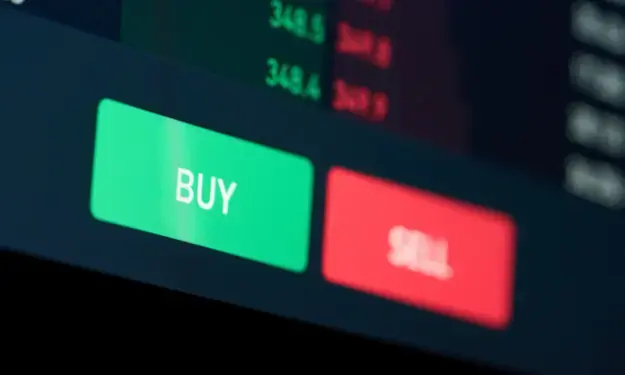
An order is the mechanism through which transactions are executed in financial markets.
There are several types of orders. A market order is executed immediately at the best available price in the market. A limit order allows the investor to set the exact price at which they want to buy or sell an asset. Once the order is placed, it is sent to the exchange where it is matched with another investor’s buy or sell order. The execution of an order can depend on factors such as market liquidity, price levels, and trading activity.
Short example:
Suppose an investor wants to buy shares of a company that are currently trading at $50.
The investor places an order to buy 100 shares through their broker.
If the order is a market order, it will be executed immediately at the best available price. If the investor places a limit order at $48, the order will only be executed if the market price falls to $48 or lower.
Disclaimer: Investing brings risks. Our analysts are not financial advisors. Always consult an advisor when making financial decisions. The information and tips provided on this website are based on our analysts' own insights and experiences. Therefore, they are for educational purposes only.