.svg)
.svg)
.svg)
.svg)
.svg)
.svg)
.svg)
.svg)
.svg)
.svg)
.svg)
.svg)
What is a share buyback?
← Back to FAQ
A share buyback, also known as a stock repurchase, is when a company buys back its own shares from the open market. This reduces the number of outstanding shares, often increasing the value of the remaining shares and improving key financial ratios like earnings per share (EPS).
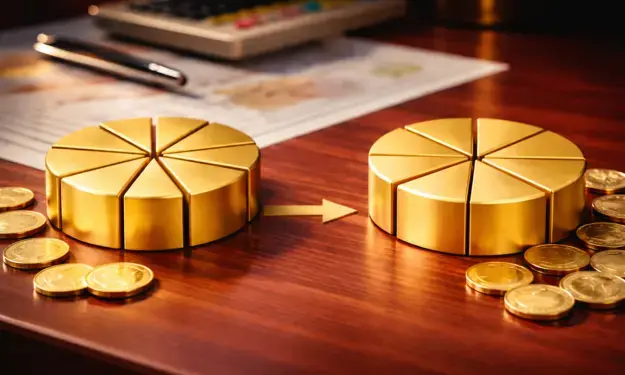
Share buybacks are used by companies to return capital to shareholders or signal confidence in the company's future.
Companies typically buy back shares when they have excess cash, or when they believe their stock is undervalued. By reducing the total number of shares in circulation, the buyback can lead to an increase in the value of the remaining shares, benefiting existing shareholders. However, the impact on stock price may vary depending on market conditions. Some critics argue that buybacks can be used to artificially inflate stock prices rather than reinvest in the business or pay dividends.
Short example:
Suppose a company has 9 million shares outstanding and decides to repurchase 1 million of those shares.
After the buyback, the company has only 8 million shares left in circulation.
If the company’s total value remains the same, the value per share could increase, benefiting the shareholders who did not sell their shares.
Disclaimer: Investing brings risks. Our analysts are not financial advisors. Always consult an advisor when making financial decisions. The information and tips provided on this website are based on our analysts' own insights and experiences. Therefore, they are for educational purposes only.