
.svg)
.svg)
.svg)
.svg)
.svg)
.svg)
.svg)
.svg)
.svg)
.svg)
.svg)
.svg)
← Back to Crypto FAQ
A validator is a participant in a blockchain network who is responsible for verifying transactions and adding new blocks to the blockchain, typically within Proof of Stake systems. Validators help maintain the security and integrity of the network.
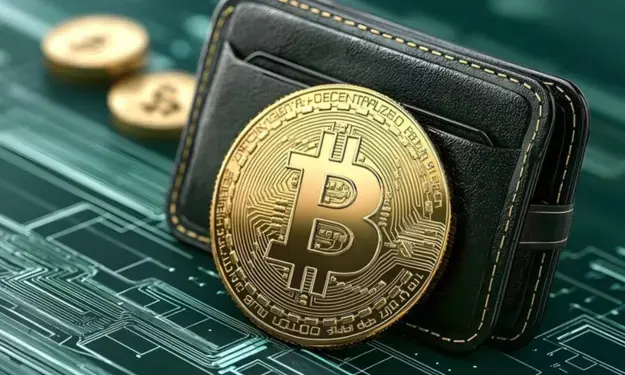
A wallet gives you access to and control over your crypto assets.
In blockchain systems, a wallet does not actually store the cryptocurrency itself, but rather the keys that prove ownership of your assets on the blockchain. Wallets can be software-based, such as mobile or desktop apps, or hardware devices that store keys offline for extra security. There are also custodial wallets, where a third party holds your keys, and non-custodial wallets, where you have full control. While wallets make it easy to manage crypto, they also require careful security, as losing access to your keys means losing access to your funds permanently.
Short example:
Suppose you install a crypto wallet app on your phone.
You receive a public address to receive funds and a private key to access them.
Using the wallet, you can send and receive cryptocurrency whenever you want.
Disclaimer: Investing brings risks. Our analysts are not financial advisors. Always consult an advisor when making financial decisions. The information and tips provided on this website are based on our analysts' own insights and experiences. Therefore, they are for educational purposes only.



-2.webp)