.svg)
.svg)
.svg)
.svg)
.svg)
.svg)
.svg)
.svg)
.svg)
.svg)
.svg)
.svg)
What is a Gas Fee?
← Back to FAQ
A gas fee is the cost required to execute a transaction or interact with a smart contract on a blockchain network. It is mainly used on networks like Ethereum to compensate miners or validators for processing transactions and securing the network. Gas fees ensure that the blockchain operates efficiently and prevents spam transactions by adding a cost to using network resources.
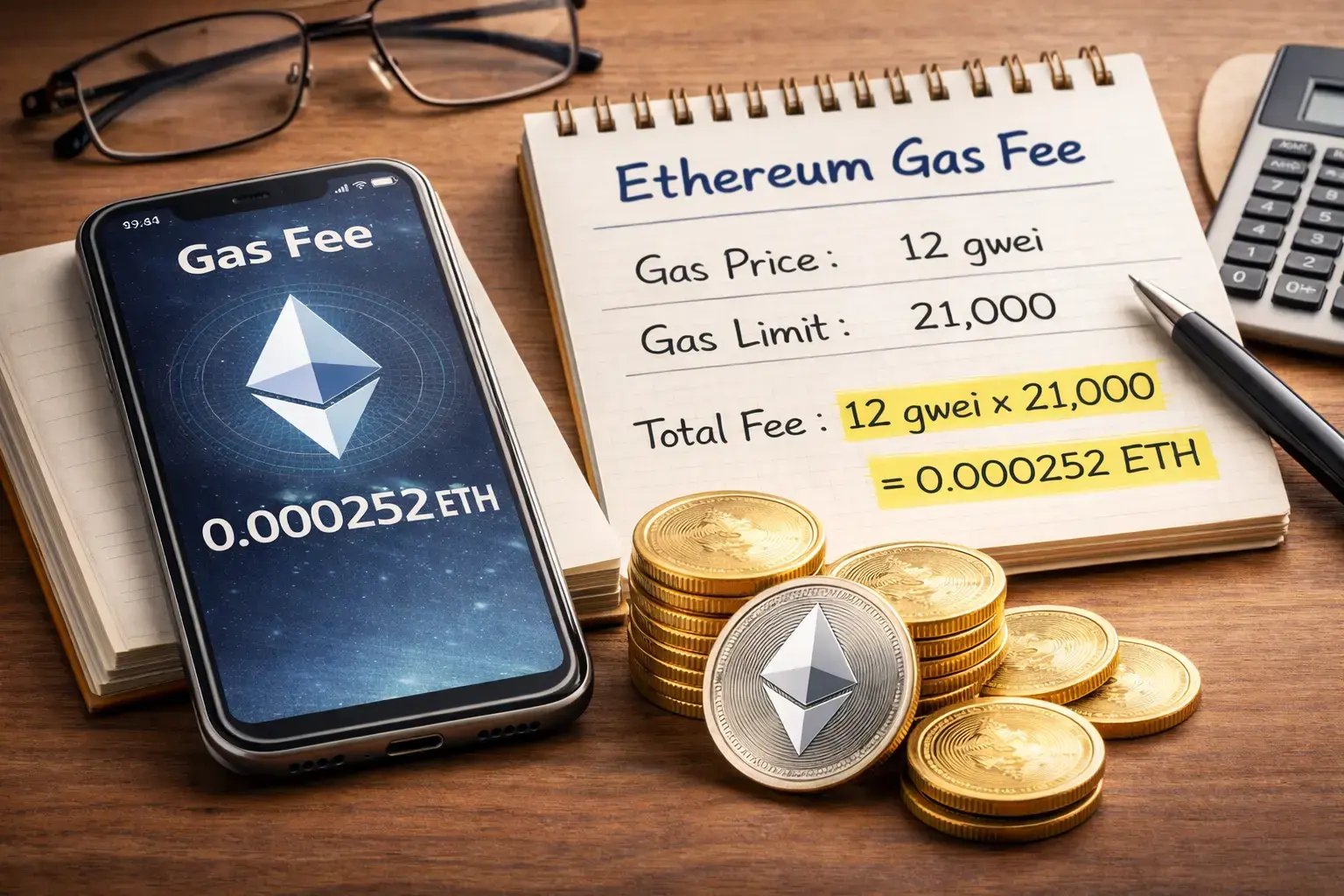
Gas fees are calculated based on two factors: the gas price and the gas limit. The gas price determines how much you are willing to pay per unit of gas, and the gas limit refers to the maximum amount of gas you’re willing to use for a specific transaction or contract. When the network is congested, gas fees tend to rise, as users compete to get their transactions processed faster.
For example, on the Ethereum network, gas is paid in gwei, a subunit of ETH (Ether). The total gas fee is determined by multiplying the gas limit (the computational work required for the transaction) by the gas price (the amount of ETH you pay per unit of gas).
Short example:
If you send 1 ETH to another wallet, you may need to pay a gas fee of 0.01 ETH. This fee compensates the miners for processing and validating the transaction.
Disclaimer: Investing brings risks. Our analysts are not financial advisors. Always consult an advisor when making financial decisions. The information and tips provided on this website are based on our analysts' own insights and experiences. Therefore, they are for educational purposes only.